“Strategic Planning For A Powerful Reentry Journey
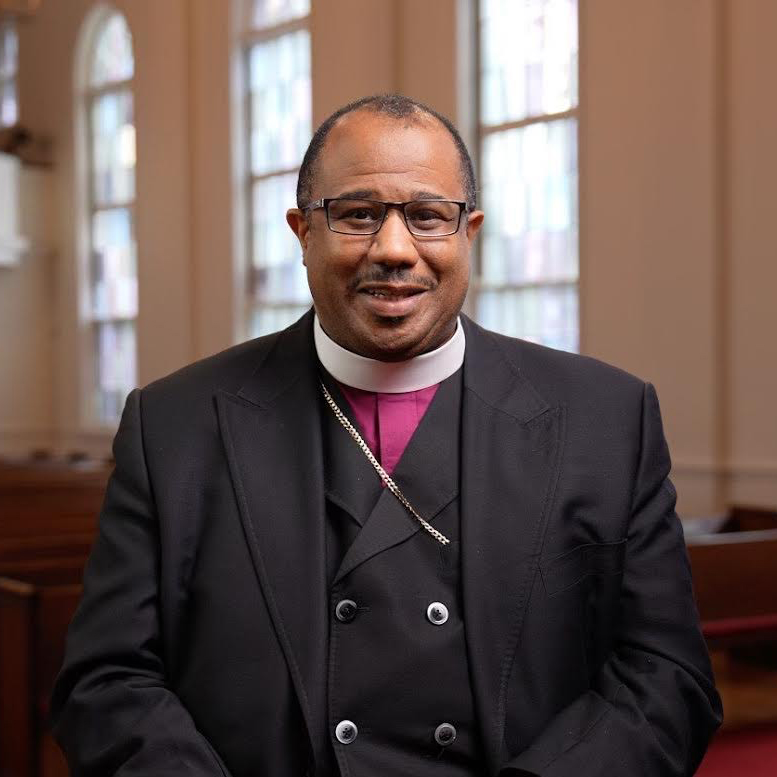
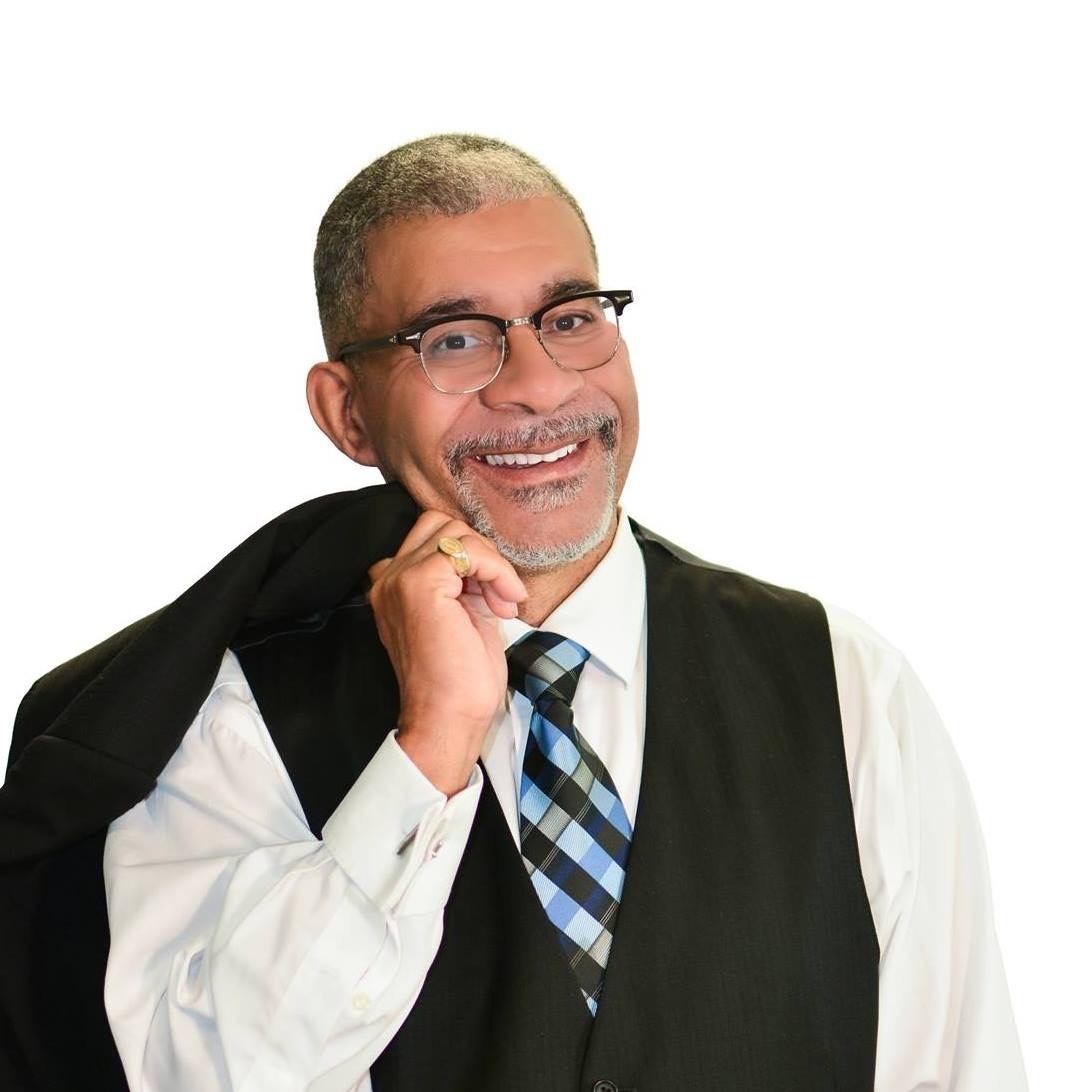
“Pastor Alfred T. Long Sr.
Reentry is not a matter of luck—it is a matter of intention. A returning citizen who chooses to plan boldly, build structure, and align daily actions with a greater purpose position themselves for lasting freedom, stability, and transformation. Strategic planning becomes the compass that guides the journey from where you have been to where you are destined to go.
1. What Is Strategic Planning for Reentry?
Strategic planning is the intentional act of designing your future before you step into it. It is the blueprint for rebuilding your life with clarity and purpose. This process includes:
• Defining meaningful goals
• Finding barriers with honesty
• Mapping out step-by-step actions
• Building a circle of support
• Checking growth and progress
• Adjusting your plan with resilience when challenges arise
With a strategic plan, reentry shifts from a stressful transition to a mission-driven pursuit of a new life.
2. Why Strategic Planning Matters
Without a plan, it is easy to drift back into old patterns, unstable environments, and reactive choices. But with a plan, returning citizens gain the power to:
• Reduce stress and uncertainty
• Create structure and stability
• Stay focused on what truly matters
• Avoid people, places, and habits that lead to setbacks
• Strengthen discipline and responsibility
• Build healthier, more supportive relationships
• Increase readiness for employment and opportunity
• Support long-term recovery and wellness
A strong plan does not just support freedom—it protects it
3. Core Elements of a Reentry Strategic Plan
a.) Vision & Purpose
Envision the life you are called to build—spiritually, emotionally, financially, and relationally. Your vision becomes your north star.
b.) SMART Goals
Create goals that are Specific, Measurable, Achievable, Relevant, and Time-bound across every area of your life: housing, employment, recovery, relationships, and finances.
c.) Barrier Assessment
Find real obstacles—supervision requirements, transportation, legal issues, addiction, negative influences, or unresolved trauma.
Then create solutions, supports, and strategies for each one.
d.) Support Network
Surround yourself with people who lift you up: mentors, faith leaders, recovery partners, reentry coaches, family, and accountability partners.
e.) Resource Map
Know where your help is. List community programs, churches, employment services, recovery meetings, and educational opportunities.
f.) Daily Structure
Build a consistent routine that strengthens your mind, body, and spirit—work, recovery practices, prayer, rest, support groups, and wellness.
g.) Risk Management Plan
Find triggers, early warning signs, coping strategies, and a relapse/recidivism prevention plan that keeps you grounded and prepared.
h.) Progress Tracking
Use journals, check-ins, or meetings to measure growth, celebrate wins, and adjust your plan as life evolves.
4. Biblical Foundation for Strategic Planning
Scripture reminds us that planning is not only wise—it is sacred:
• “Write the vision; make it plain.” — Habakkuk 2:2
• “A wise man thinks ahead.” — Proverbs 14:8
• “Commit your plans to the Lord and they will succeed.” — Proverbs 16:3
• “Whoever wants to build a tower must first count the cost.” — Luke 14:28
Planning is an act of stewardship—an expression of faith in the future God has prepared for you.
5. How Strategic Planning Leads to Reentry Success
A strong reentry plan strengthens every area of life:
• Stable housing
• Steady employment
• Restored relationships
• Emotional balance
• Recovery and sobriety
• Confidence and self-worth
• Long-term freedom and purpose
Strategic planning gives returning citizens not just a roadmap, but a renewed sense of hope and direction. Bottom Line, Reentry becomes powerful when it is intentional, structured, and rooted in both wisdom and faith. A strategic plan empowers individuals not only to reenter society—but to rise, rebuild, and thrive.
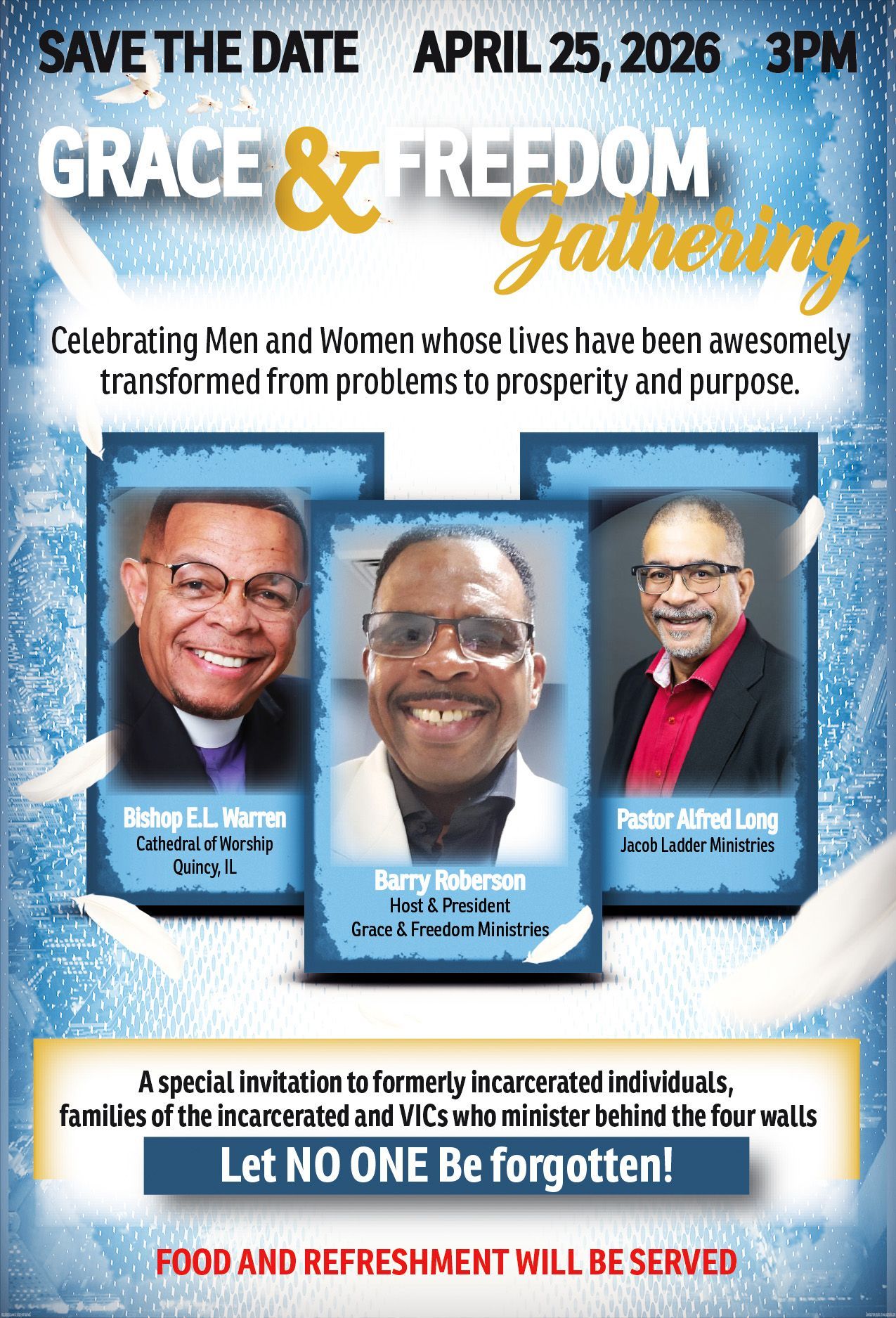
Pastor Alfred T. Long Sr. Is Founder and Director of Jacob’s Ladder Ministries whose mission is to “Connect Returning Citizens Back to Their Faith, Family and Community”.
He is available for Reentry Workshops, Coaching and speaking engagements.
(314) 282-7220
Sparkman Articles