"The History of the Black Church- The Dynasty of Dignity
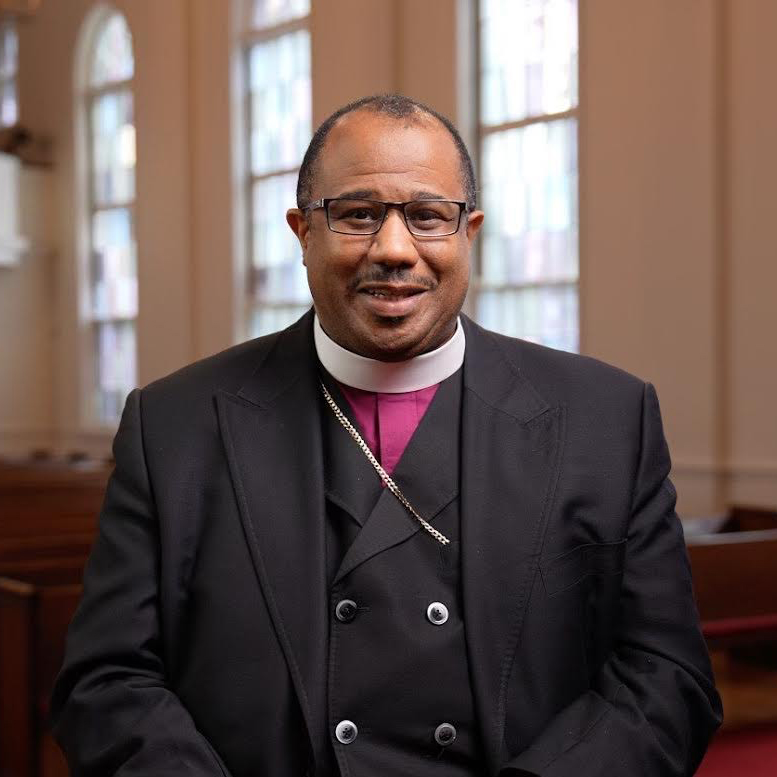
Bishop Lawrence Brown Jr.

In the centuries since its birth, in the time of slavery, the Black Church has stood as the foundation of Black religious, political, economic, and social life. The Black Church has influenced nearly every chapter of the African American story.
I find it amazing how throughout the history of Afro-American life, the Black Church created and has been a culture within a culture. Not only has the Black Church served the religious needs of Black Americans, but it also became a high-end corporate structure of opportunities for gifted black people to rise to positions of authority and dignity within the black communities of America. Historically, the Black Church was a dynasty of dignity and authority within a world of demeaning slavery and sub-dignity in which black people were deprived of positions of authority and power and limited to positions of menial servitude and disrespect.
Throughout the history of black society in America, the Black Church has been a dynasty that utilized, recognized, and magnified the great leadership and management skills of black people, from the times of slavery up to the times of systemic racism and discrimination in current American culture. Throughout history, the Black Church has been a lighthouse and dynasty of dignity in a sea of humiliating and sub-human treatment by white society. Because of the debasing systems of slavery, segregation, discrimination, and racism that designated the demeaning sub-dignified positions that black people were limited to in the corporate world and society, black people were often held back from positions of dignity and power in the mainstream economic world. Through discrimination, Blacks were often limited to serving in what was considered positions of servitude, such as Butlers, Maids, Chauffeurs, Janitors, and Nannies. They were cooks and did other tasks that said to them, “You are not capable of serving in any position of importance or meaningful authority. But while these were common positions held by Black people in their everyday lives throughout the week (where they had to wear dirty work clothes or servant’s uniforms and act sub-human to appease White people, even calling the White children of their Master “Miss” and “Master”) black people could not wait to get to Church. At Church, on Sundays, they were not a disrespected servant, but in the dynasty of the Church, they were executives, trustees, pastors, building managers, and financial advisors, and held other positions of dignity and authority; in plain terms, the Church was a haven to maximize their potential.
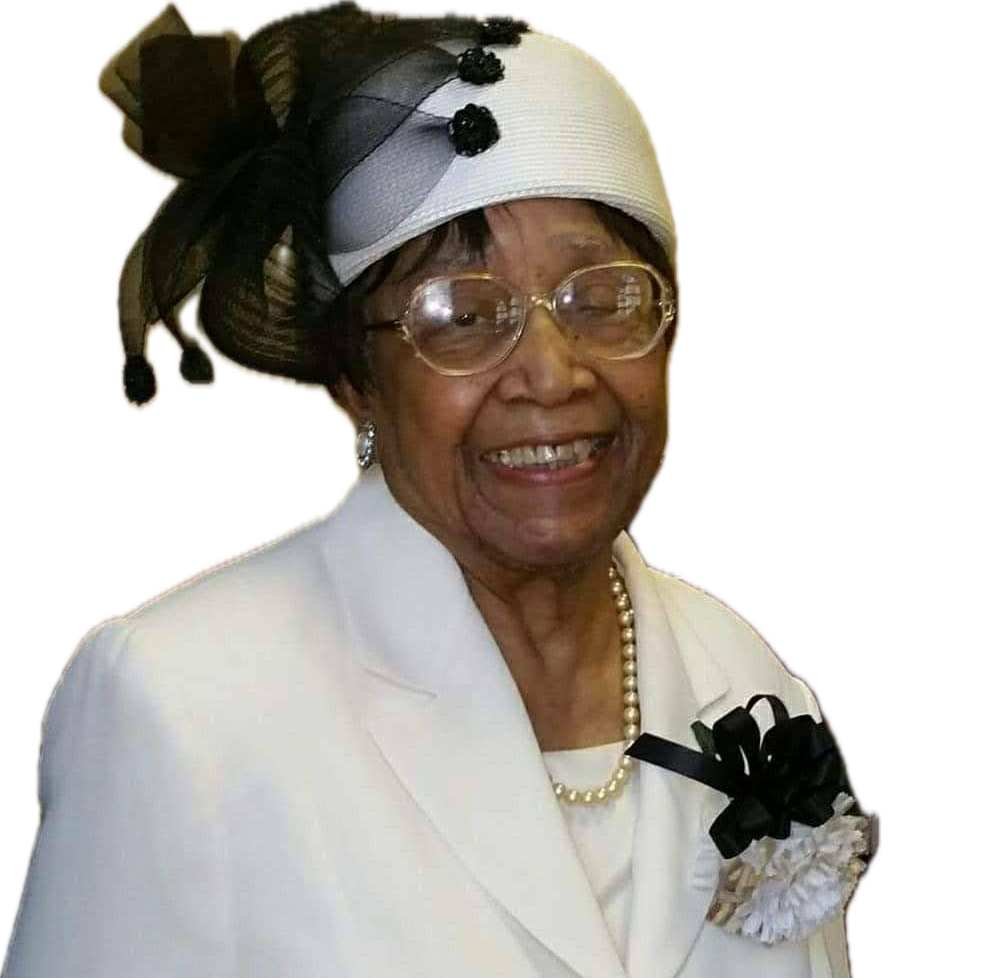
While they were not recognized by White society during the work week, for many of those butlers, chauffeurs, maids, nannies, and other undignified positions, when they got to Church {the dynasty of dignity) wearing their ‘Sunday-go-to-meeting suits’ similar to the suits their white bosses wore every day to their executive offices; it was the Black man’s day to be a corporate executive. And the Black women wore fine dresses and hats to Church on Sundays similar to the ones the white women wore to the tea parties where the black women served throughout the week. Those who were black janitors during the week were pastors on Sunday. They had to say, “Yes Sir,” to children when at the bosses’ house, but when they got to Church (the dynasty of dignity) they become the corporate president and executives, and people said, “Yes Sir,” to them. They had their own corporate office, with an executive desk and high-back swivel chair. They led a corporate trustee board. They were PASTORS and were not disrespectfully called by their first names but were called Pastor. Many of the ladies who were merely cooks for their bosses in the White people’s homes were the head of the kitchen at their Church (the dynasty of dignity). They supervised their staff of church workers and were highly respected for their great leadership skills and management abilities. Some of the nannies who were merely babysitters for white children during the week; were highly respected ‘State Mothers’ in their church organizations.
Janitors were deacons and trustees that made major business decisions for the Church. These trustees and church officers would not come to Church without wearing a necktie, just like their white bosses wore every day. The Church recognized their corporate dignity and worth. The Black Church was a whole society of opportunity to serve in positions of authority and dignity for the great and talented Black people up until the whole world began to recognize the great talent and administrative gifts that Black people are to the whole of society. Therefore, during this Afro-American History month, let us remember the dignity of the dynasty that gave fulfillment to our forefathers and our mothers and fathers who were denied such in the sea of discrimination but found it in the dynasty of dignity, which was in the Black Church.
Sparkman Articles