What Christian’s Should Know About Hospice
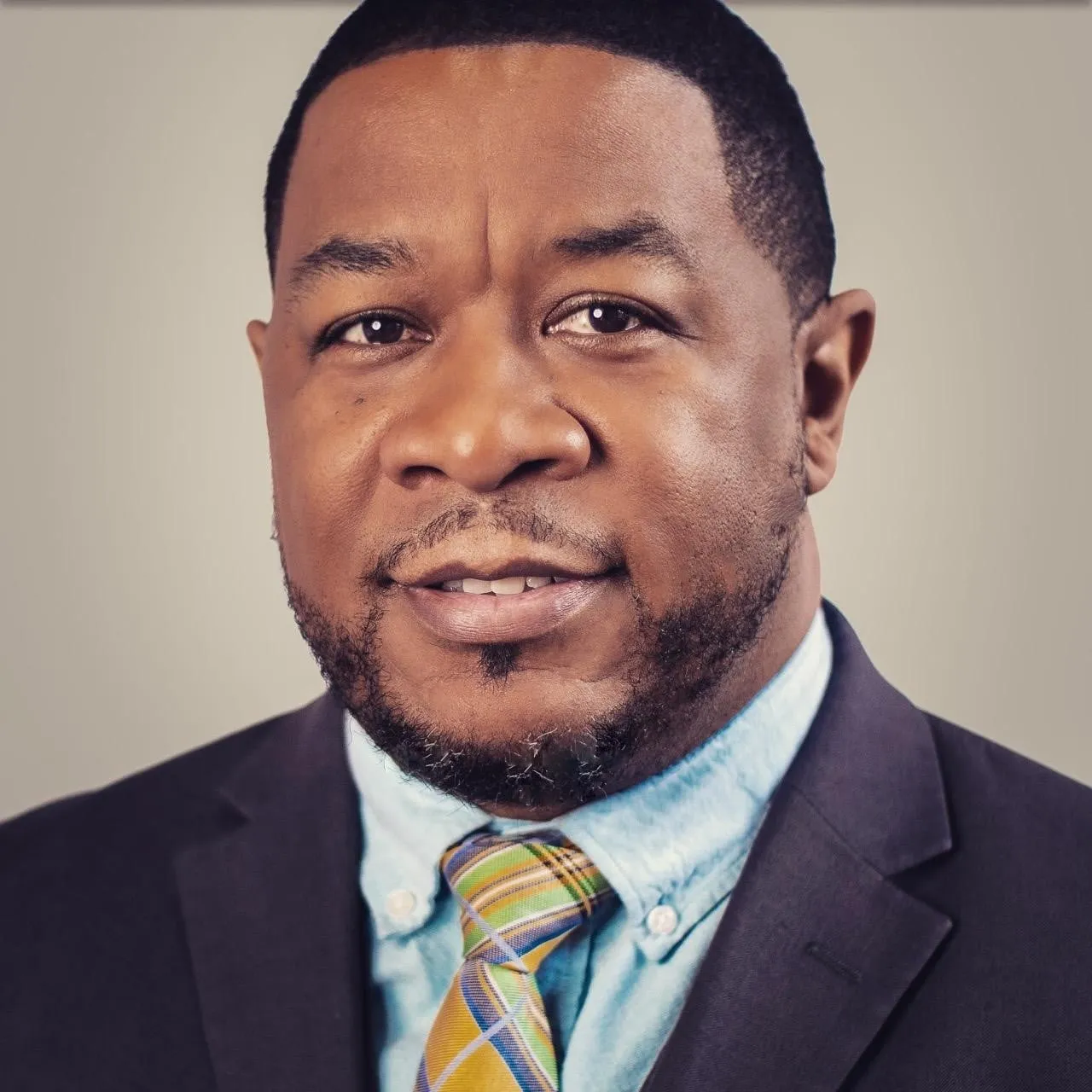
"Rev. Dr. Wil Goatley, Jr."
It was very difficult to make the decision to put my father on hospice. But when it was needed it was the best decision for him. As a hospice chaplain many people may not understand the care that a hospice program can provide.
Hospice is a program Christians should understand. As a program it is usually financed as a benefit of the Medicare or Medicaid program. It is a benefit paid for by your tax dollars. You don’t have to go to hospice; the program will come to you.
If your loved one has been diagnosed with a terminal illness, and if they qualify for hospice, they will receive help at home, or at a skilled nursing facility. Hospice will pay for your medications related to the terminal diagnosis, medical equipment, and a team of professionals that will work with the family such as a Registered Nurse/Case Manager, a Home Health Aide, a Social Worker and a Chaplain. Many programs also provide the services of volunteers who also make visits to patients and their families.
One reason people should know about hospice is the help people can receive at the end of a terminal illness. Many families are helped knowing that their loved one will receive special services that compliment what they receive from a skilled nursing facility or family members who are serving their loved ones twenty-four hours a day at home.
Dame Cicely Saunders, a London Physician is credited with beginning the modern hospice movement in 1967. She established the St. Christopher’s Hospice in a suburb outside of London in the town of Sydenham. Dr. Saunders emphasized the management of pain and symptoms. She wanted to teach the patient as a living person, not just a collection of dying symptoms.
Just two years later, Dr. Elisabeth Kubler-Ross then a Chicago physician, wrote her ground breaking book on the end of life entitled, “On Death and Dying”. This book told the story of dying patients and how they desired to be cared for.
As a philosophy, hospice care is not about giving up hope. IT is rather a philosophy about living to the best of one’s ability the life one has left. Dying is seldom easy. It requires courage on the part of the terminally ill patient and family to face the enormous physical and emotional challenges of dying. While the hope for a miracle cure is not ruled out, the hope for reconciling relationships, bringing closure to personal affairs, expressing love and saying good-byes can be just as rewarding. For the terminally ill, the time remaining may afford an opportunity for spiritual reflections and growth.
The Old Testament book of Jeremiah offers a wealth of material on the theme of “suffering and dying”. The weeping prophet asks, “Is there no Balm in Gilead? Is there no Physician there? Then why has no new skin grown over their wound? Would that my head were water, my eyes a fountain of tears, that day and night I might weep for the slain of my daughter—my people!” (Jer. 8:22-23). Jeremiah as a prophet of God was both delivering a message of judgment and sharing in the sufferings of the people.
This combination of “love and anguish” is peculiarly seen in the book of Jeremiah. God’s people are broken. The prophet Jeremiah is broken. It is the Balm of Gilead that is the medicine for the healing of a broken people. “But Gilead’s balm and the doctor’s care was not enough for the deep wound inflicted on the people”. Jeremiah is going to identify with the cry of the exiles anticipated in the book.
Hospice takes into account the suffering of the patient and family. For Christians, they should not be afraid of investigating the hospice program when needed. It may offer much needed care to you and your family.
Sparkman Articles